Nature, science, and a living roof
Discover how a bold idea blossomed into a world‑class museum.
Table of Contents
Origins of the Academy
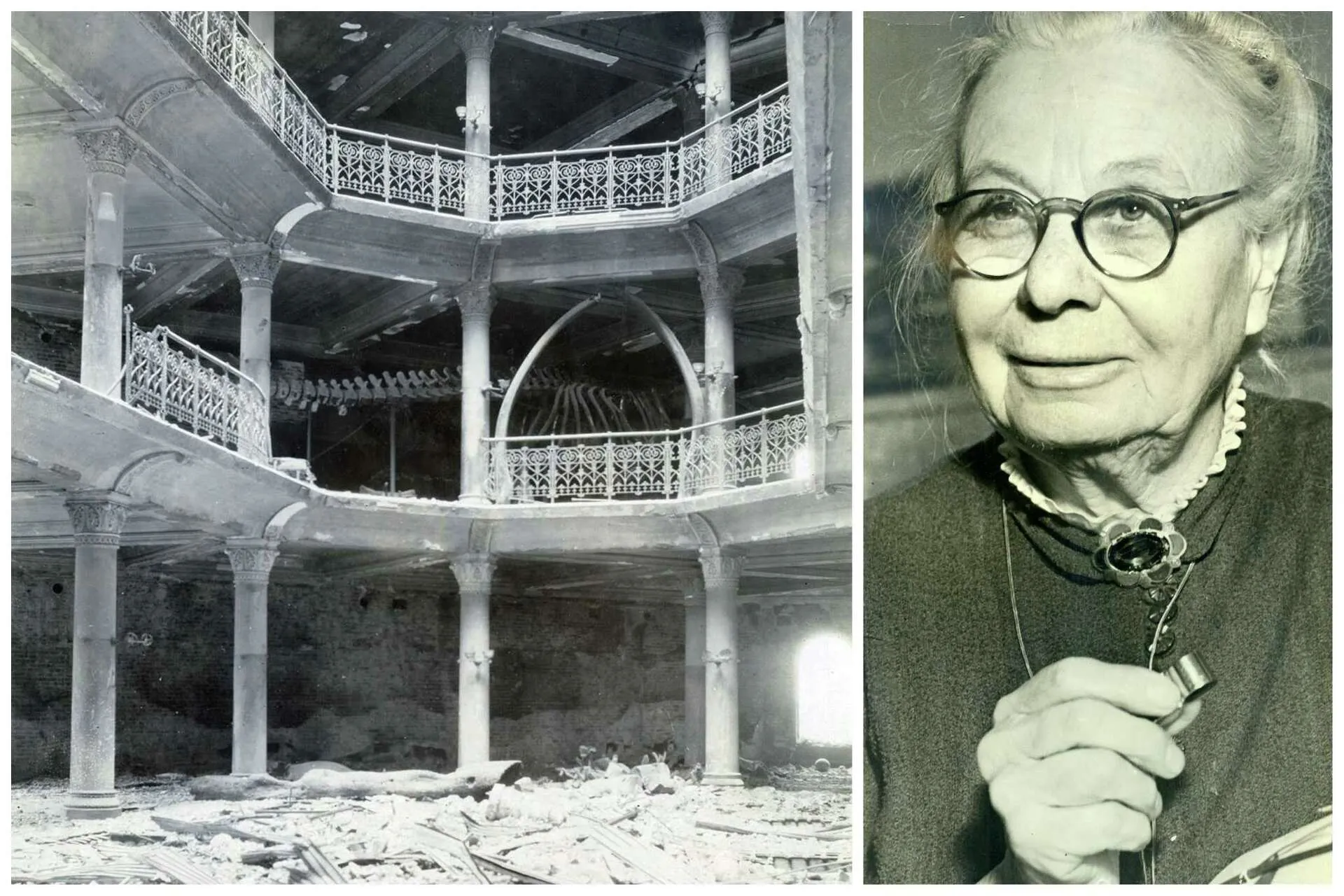
Founded in 1853, the California Academy of Sciences began as a scientific society dedicated to studying and sharing knowledge about the natural world. Early collections, lectures, and expeditions reflected the curiosity of the era — a growing city on the Pacific, buzzing with discovery and possibility.
By 1891, the Academy found a home in Golden Gate Park, steadily expanding its collections and mission. The 1906 earthquake devastated San Francisco and destroyed many holdings, yet the Academy rebuilt with determination — a signature trait that would carry it through future challenges and transformations.
Architecture & living roof
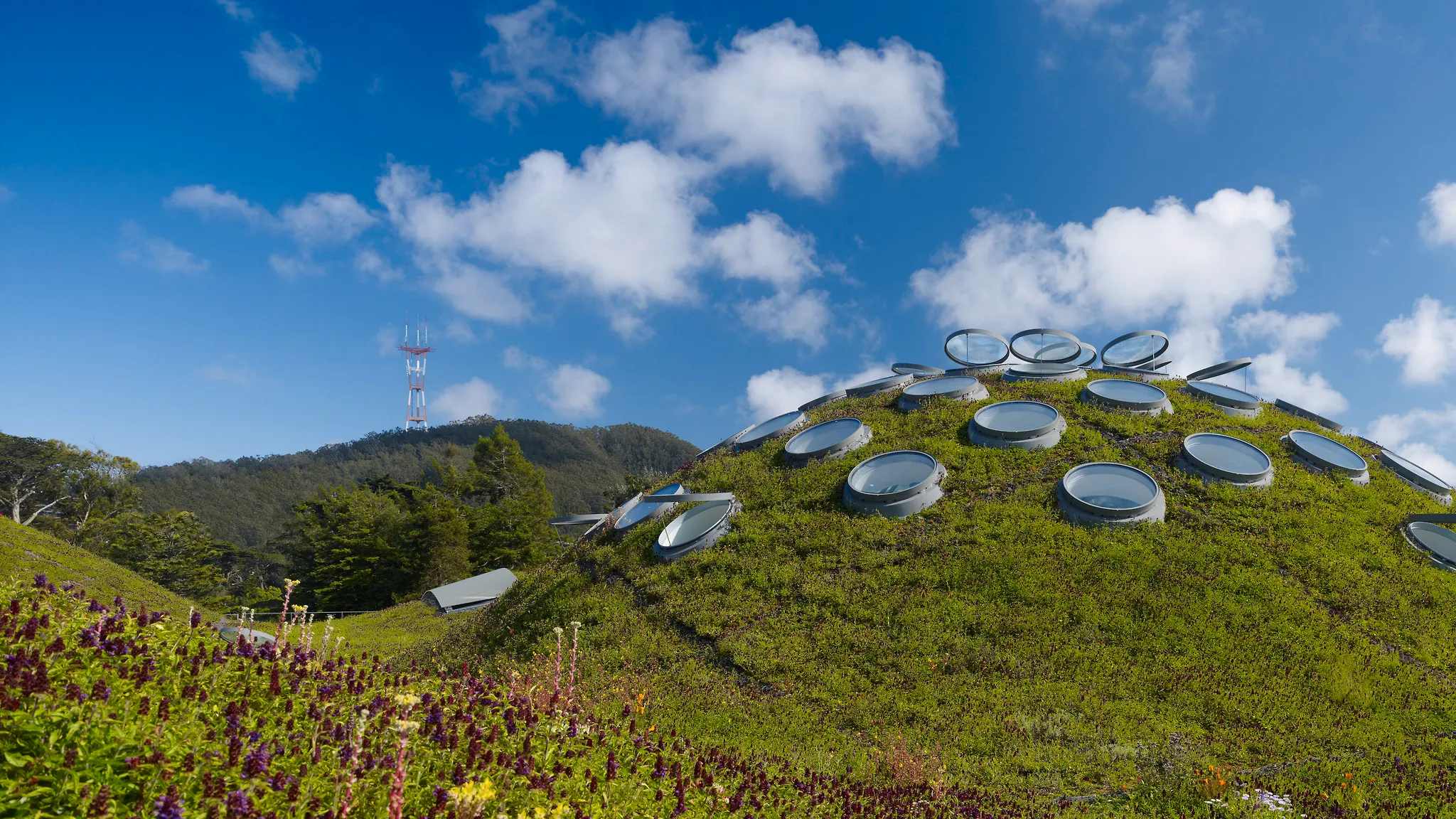
In 2008, the Academy reopened in a striking new building designed by Renzo Piano — airy, light‑filled, and profoundly connected to nature. Atop it lies the living roof: a gently rolling landscape planted with native species, dotted with skylights that bring sun to the rainforest and galleries below.
This architectural vision isn’t just beautiful; it’s purposeful. The building integrates sustainability at every turn — natural ventilation, daylighting, and energy‑efficient systems — making the museum itself a living lesson in green innovation.
Aquarium & rainforest
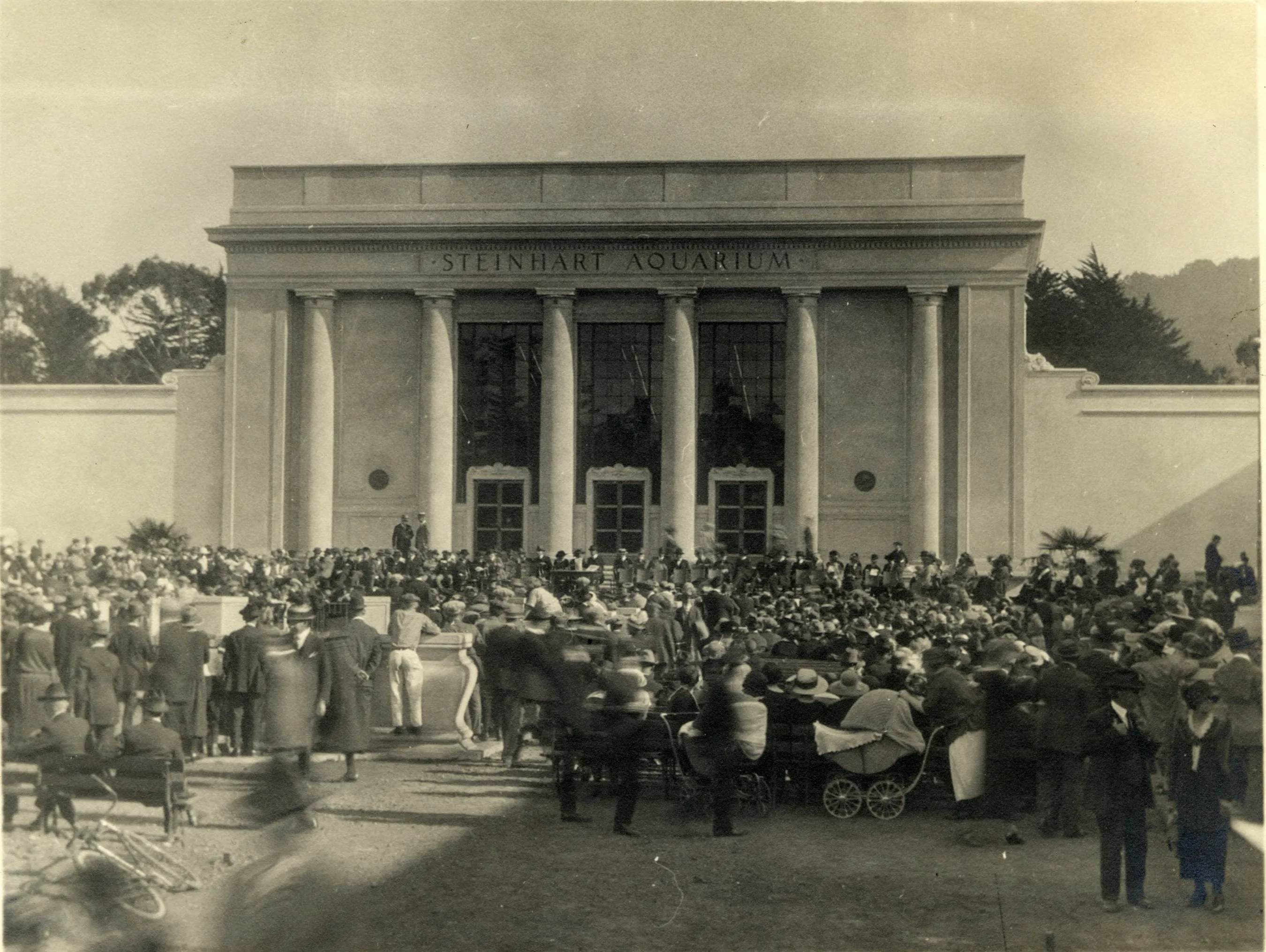
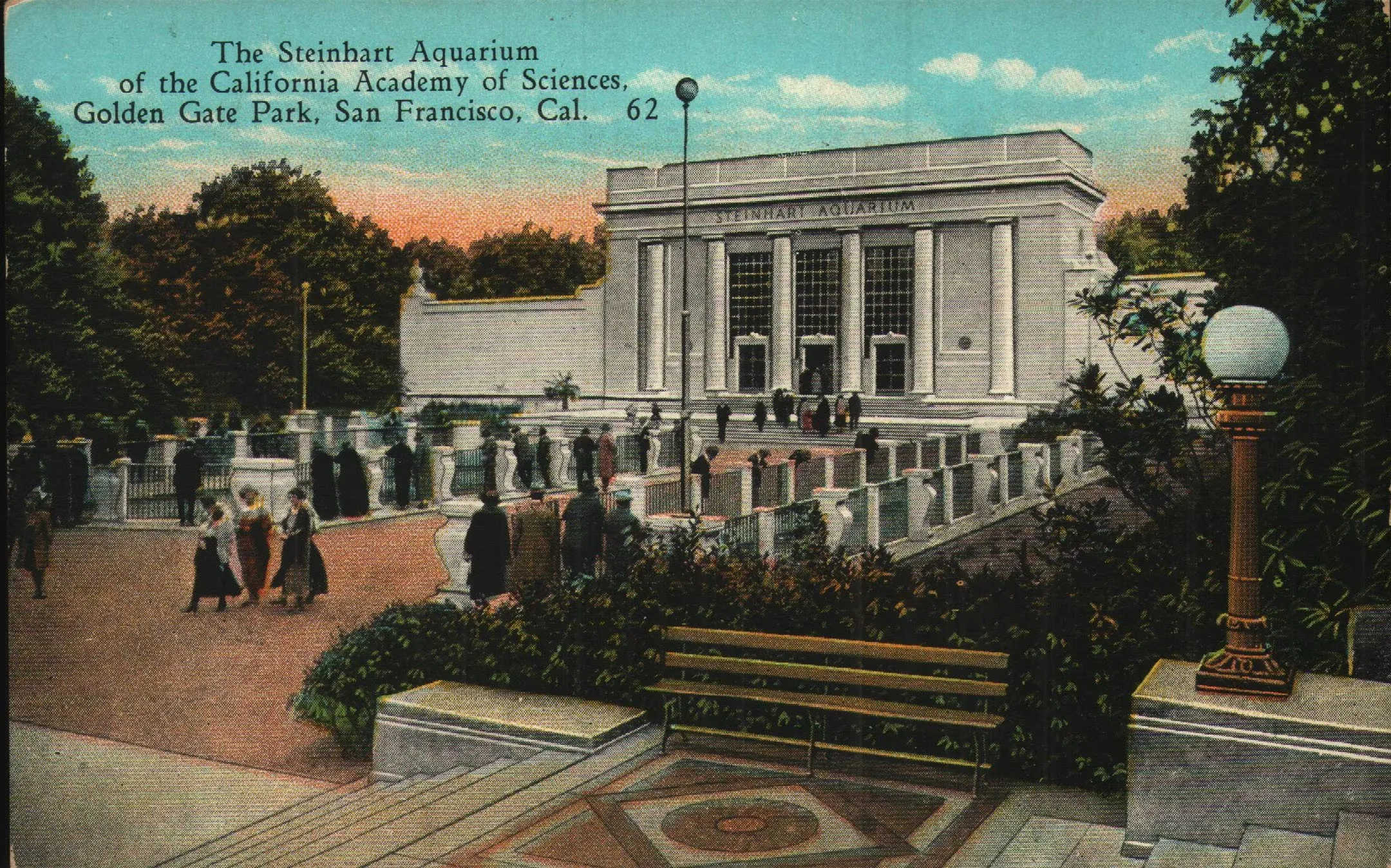
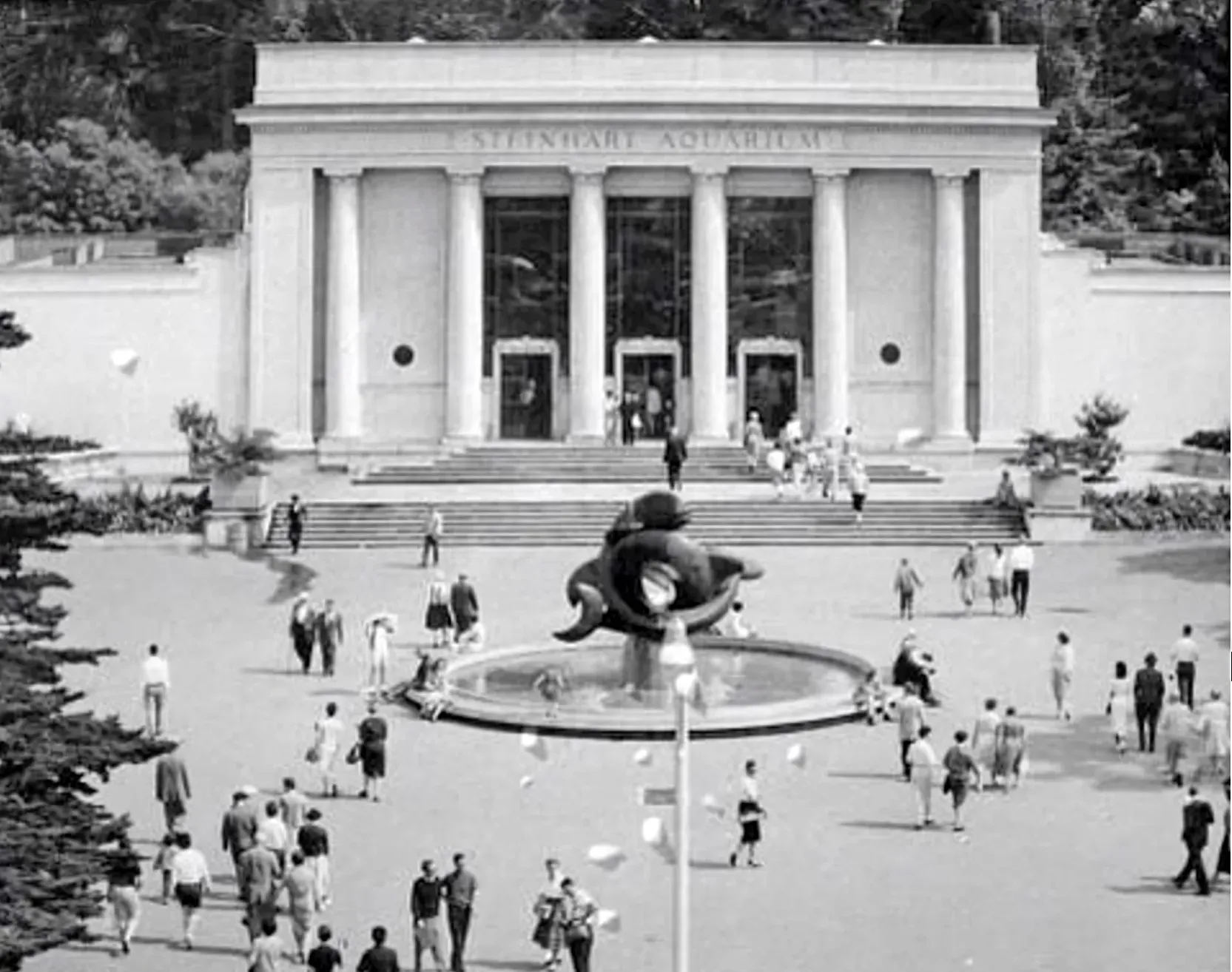
The Steinhart Aquarium reveals the magic of marine life — swirling schools of fish, delicate corals, and curious creatures that illuminate the ocean’s intricate ecosystems. Nearby, the Osher Rainforest rises four stories, where butterflies drift through warm air and tropical plants showcase the astonishing diversity of life.
Together, these living exhibits invite you to step into habitats usually far from daily life, awakening a sense of wonder and reminding us that we are deeply connected to every river, reef, and forest.
Planetarium & storytelling
The Morrison Planetarium blends breathtaking visuals with expert narration to carry you across starfields, past planets, and into the heart of cosmic questions. It’s a place where science becomes story — part spectacle, part insight, and wholly unforgettable.
Shows change throughout the year, highlighting new research and perspectives. Whether you’re a seasoned stargazer or a first‑time visitor, each journey leaves you with fresh curiosity and a renewed sense of scale.
Galleries, labs & learning
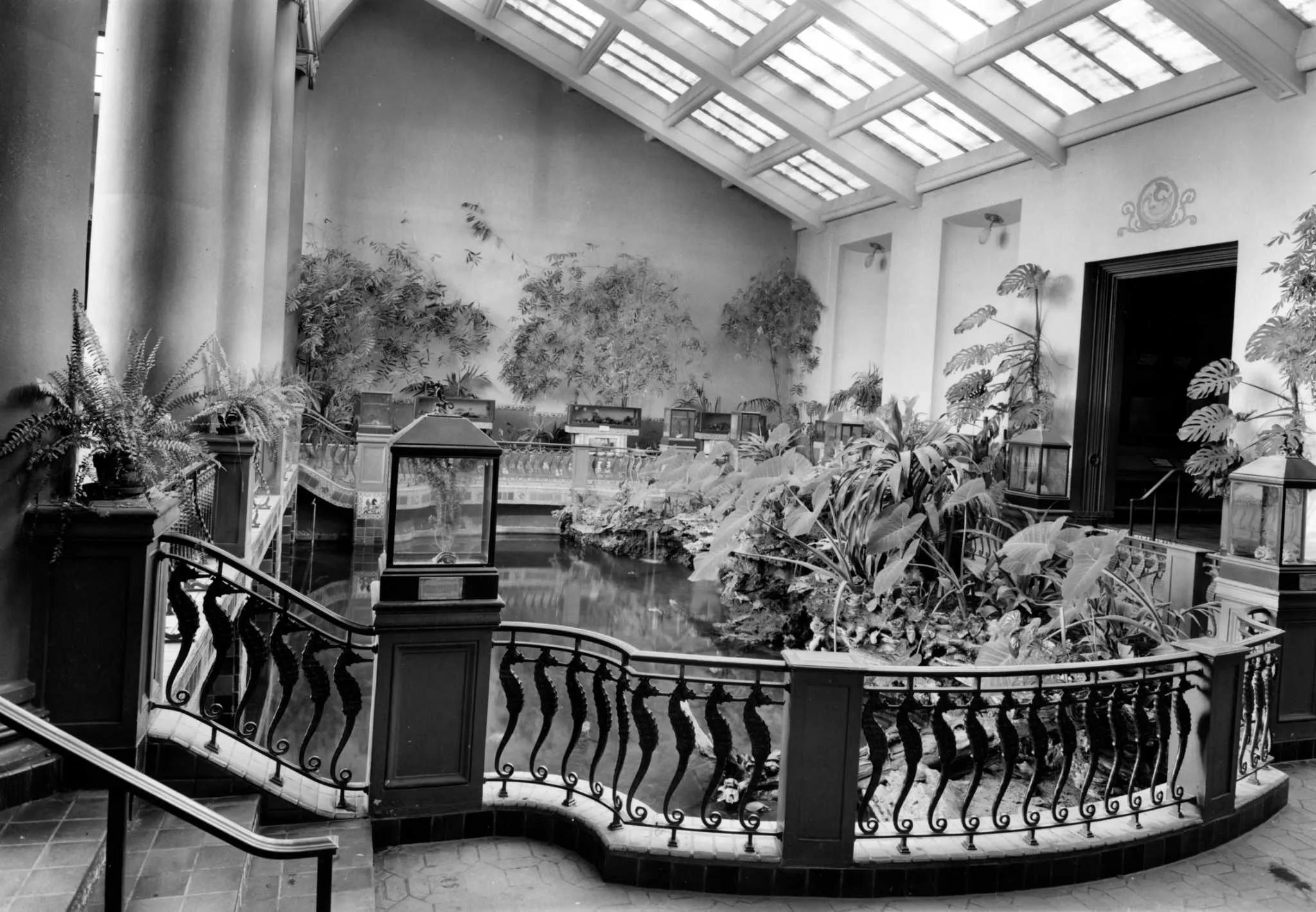
Beyond the big headline experiences, the Academy’s galleries and labs offer hands‑on learning and close encounters with specimens. Kids and adults alike can touch, ask, and experiment — the heart of science isn’t just seeing, it’s doing.
From natural history to ecology, exhibits highlight how researchers study the living world, fostering curiosity that often starts with one simple question: why?
Research & expeditions
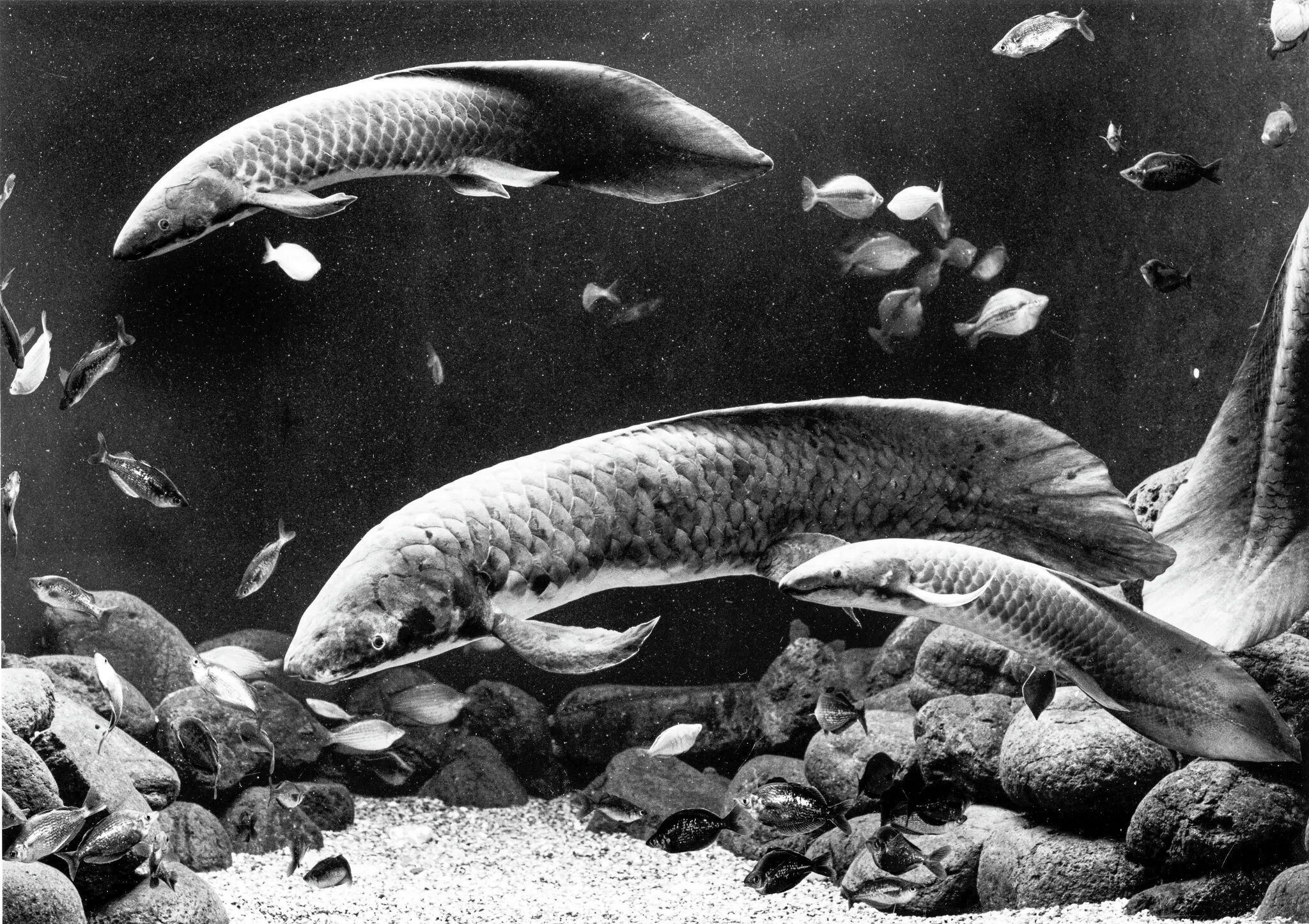
The Academy is more than a museum; it’s a research institution with scientists who explore oceans, forests, and cities to understand biodiversity and climate. Collections preserve specimens that help us trace change through time — priceless records for future discovery.
From expeditions abroad to community science at home, the Academy’s work underscores a belief that knowledge grows when we share it widely and use it wisely.
Getting there & routes
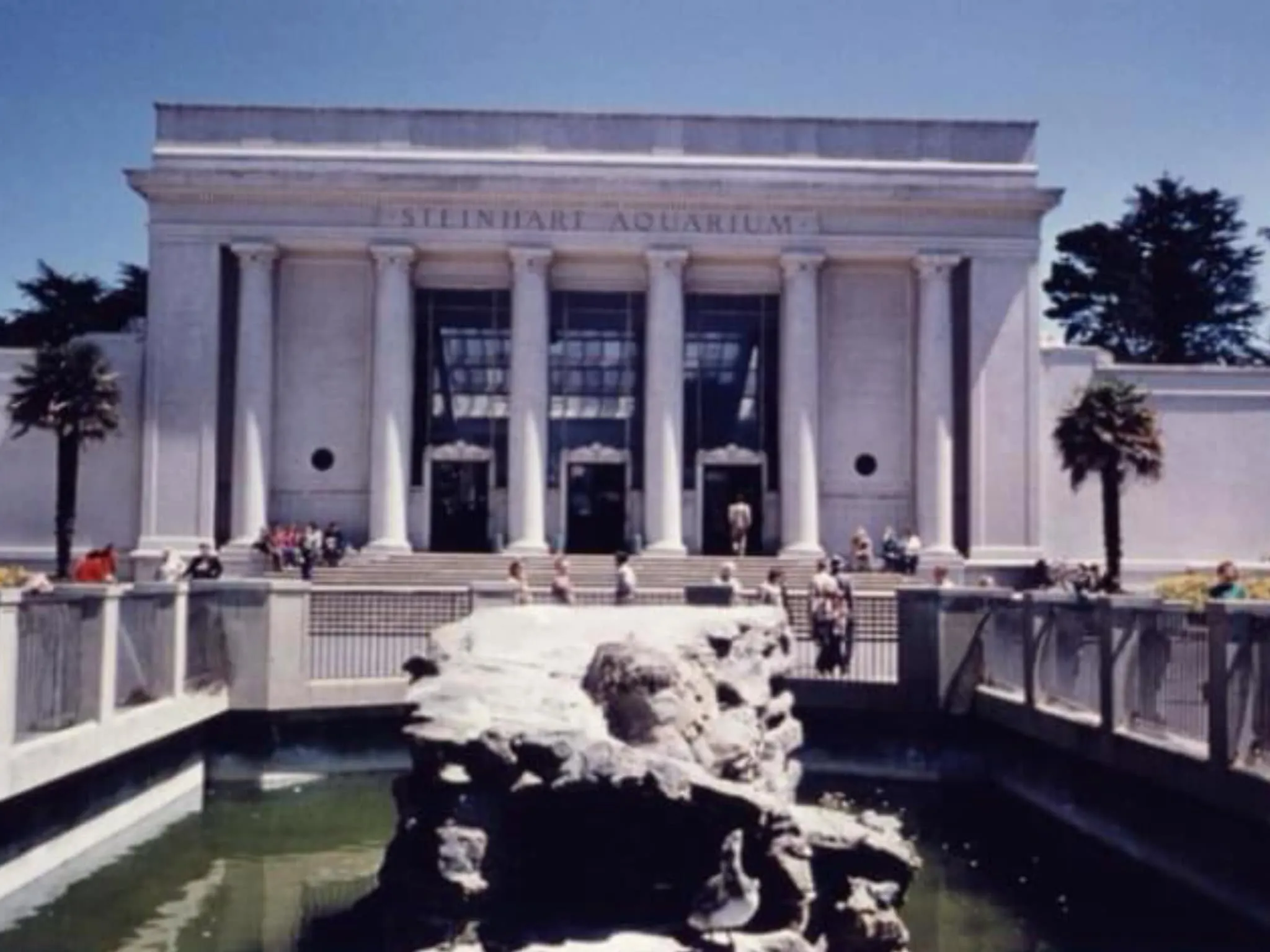
Public transit via Muni Metro and buses brings you close to the park, with a pleasant walk through green spaces to the Music Concourse plaza.
Biking is popular in Golden Gate Park; racks are available near the museum. Rideshare and the garage make arrival straightforward on busy days.
Accessibility & safety
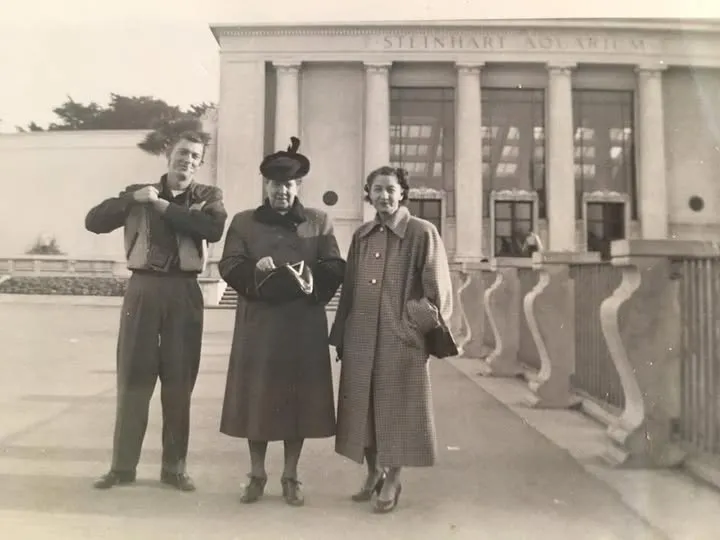
Elevators, ramps, and clear signage help guests move through exhibits comfortably. The planetarium and rainforest feature accessible routes and seating.
Service adjustments may occur during maintenance or special events — check updates before you go and allow time for security screening at entrances.
Events & community
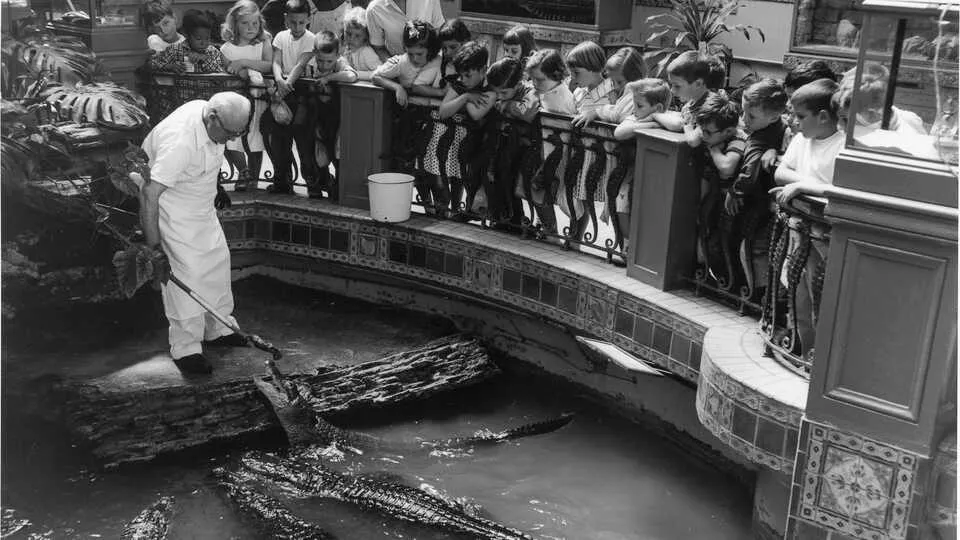
From family days to evening programs, the Academy’s calendar celebrates science with music, talks, and themed experiences that make learning social and fun.
Temporary exhibits, guest speakers, and community partnerships keep the museum’s story evolving — there’s always something new to see.
Tickets, passes & membership
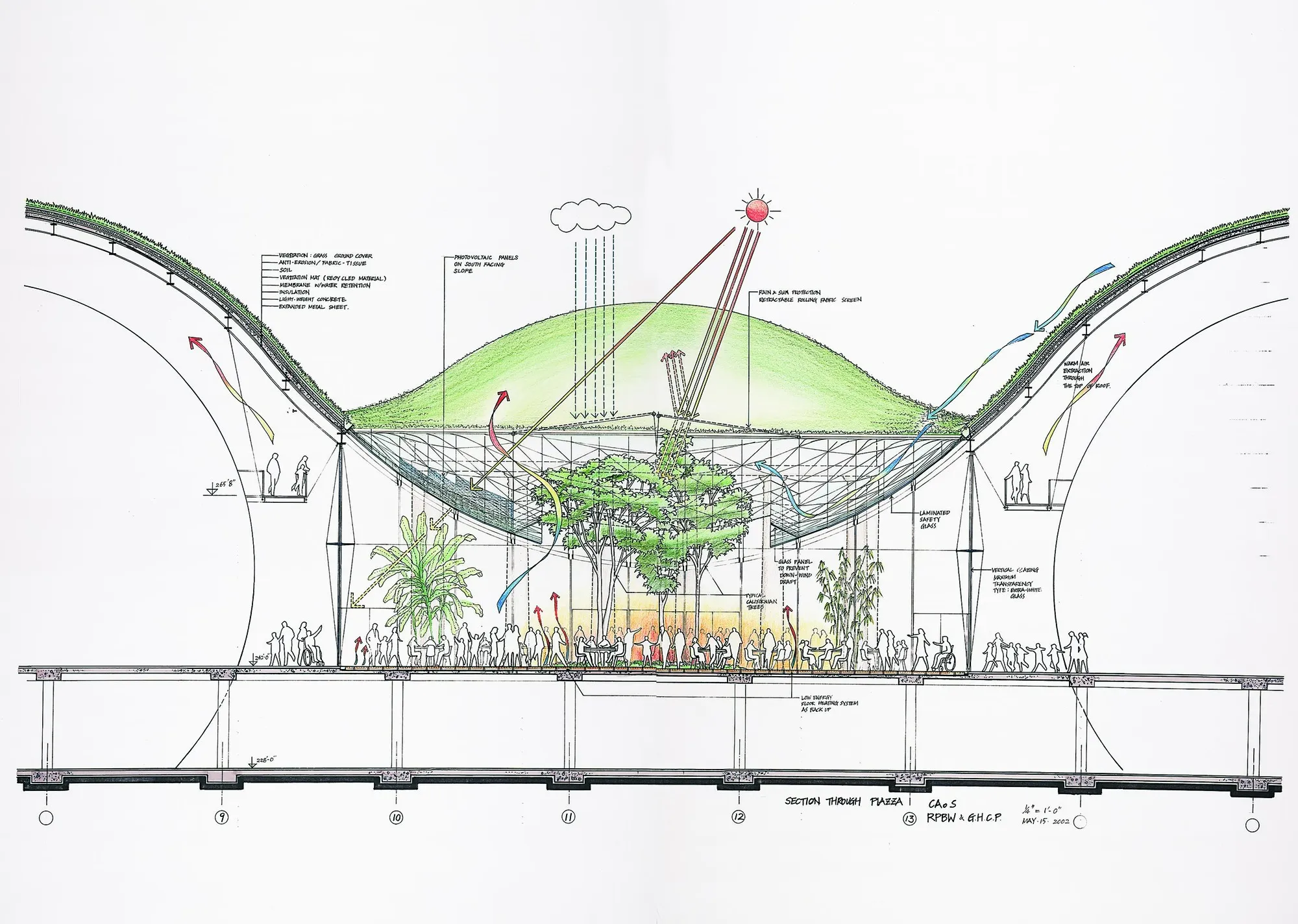
Book online to secure entry and show times. Memberships can offer value if you plan repeat visits and want early access or discounts.
Check current options for special exhibits, programs, and evening events; availability may vary by season.
Sustainability & innovation
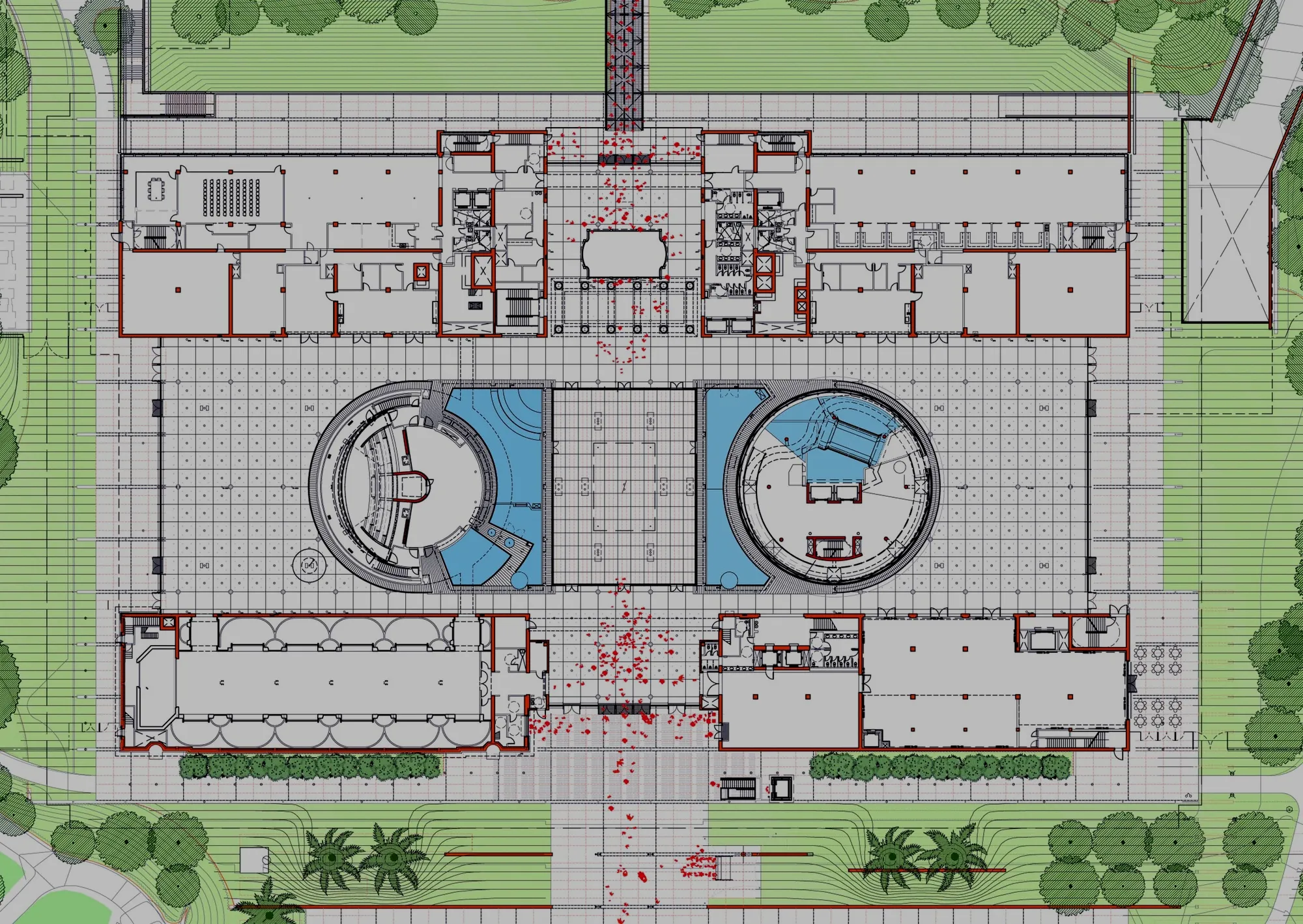
The Academy’s living roof, efficient systems, and educational programs reflect a commitment to sustainability that extends beyond the building.
Conservation messaging and partnerships invite visitors to take small, meaningful actions at home — science begins with everyday choices.
Nearby park highlights
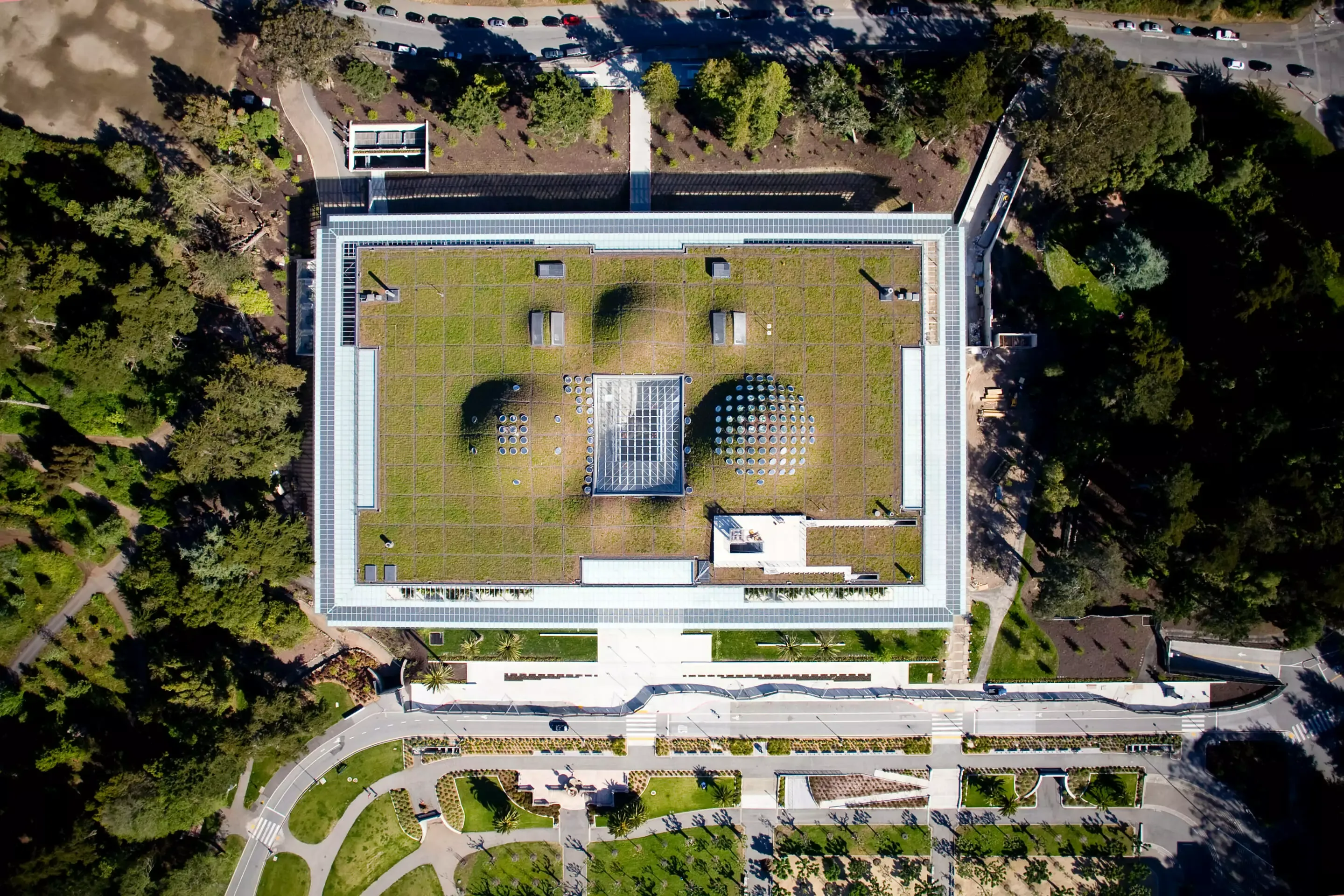
Steps away, the de Young Museum offers art and architecture, while the Japanese Tea Garden provides tranquil paths and seasonal blooms.
Wander the park’s meadows and lakes, or visit the Conservatory of Flowers for another dose of botanical beauty.
Why the Academy matters
The Academy brings science close to home — inviting all ages to connect with nature, ask questions, and make choices that protect our planet.
A visit supports research, education, and conservation, helping a vibrant, curious community learn together and act with hope.
Table of Contents
Origins of the Academy
Founded in 1853, the California Academy of Sciences began as a scientific society dedicated to studying and sharing knowledge about the natural world. Early collections, lectures, and expeditions reflected the curiosity of the era — a growing city on the Pacific, buzzing with discovery and possibility.
By 1891, the Academy found a home in Golden Gate Park, steadily expanding its collections and mission. The 1906 earthquake devastated San Francisco and destroyed many holdings, yet the Academy rebuilt with determination — a signature trait that would carry it through future challenges and transformations.
Architecture & living roof
In 2008, the Academy reopened in a striking new building designed by Renzo Piano — airy, light‑filled, and profoundly connected to nature. Atop it lies the living roof: a gently rolling landscape planted with native species, dotted with skylights that bring sun to the rainforest and galleries below.
This architectural vision isn’t just beautiful; it’s purposeful. The building integrates sustainability at every turn — natural ventilation, daylighting, and energy‑efficient systems — making the museum itself a living lesson in green innovation.
Aquarium & rainforest
The Steinhart Aquarium reveals the magic of marine life — swirling schools of fish, delicate corals, and curious creatures that illuminate the ocean’s intricate ecosystems. Nearby, the Osher Rainforest rises four stories, where butterflies drift through warm air and tropical plants showcase the astonishing diversity of life.
Together, these living exhibits invite you to step into habitats usually far from daily life, awakening a sense of wonder and reminding us that we are deeply connected to every river, reef, and forest.
Planetarium & storytelling
The Morrison Planetarium blends breathtaking visuals with expert narration to carry you across starfields, past planets, and into the heart of cosmic questions. It’s a place where science becomes story — part spectacle, part insight, and wholly unforgettable.
Shows change throughout the year, highlighting new research and perspectives. Whether you’re a seasoned stargazer or a first‑time visitor, each journey leaves you with fresh curiosity and a renewed sense of scale.
Galleries, labs & learning
Beyond the big headline experiences, the Academy’s galleries and labs offer hands‑on learning and close encounters with specimens. Kids and adults alike can touch, ask, and experiment — the heart of science isn’t just seeing, it’s doing.
From natural history to ecology, exhibits highlight how researchers study the living world, fostering curiosity that often starts with one simple question: why?
Research & expeditions
The Academy is more than a museum; it’s a research institution with scientists who explore oceans, forests, and cities to understand biodiversity and climate. Collections preserve specimens that help us trace change through time — priceless records for future discovery.
From expeditions abroad to community science at home, the Academy’s work underscores a belief that knowledge grows when we share it widely and use it wisely.
Getting there & routes
Public transit via Muni Metro and buses brings you close to the park, with a pleasant walk through green spaces to the Music Concourse plaza.
Biking is popular in Golden Gate Park; racks are available near the museum. Rideshare and the garage make arrival straightforward on busy days.
Accessibility & safety
Elevators, ramps, and clear signage help guests move through exhibits comfortably. The planetarium and rainforest feature accessible routes and seating.
Service adjustments may occur during maintenance or special events — check updates before you go and allow time for security screening at entrances.
Events & community
From family days to evening programs, the Academy’s calendar celebrates science with music, talks, and themed experiences that make learning social and fun.
Temporary exhibits, guest speakers, and community partnerships keep the museum’s story evolving — there’s always something new to see.
Tickets, passes & membership
Book online to secure entry and show times. Memberships can offer value if you plan repeat visits and want early access or discounts.
Check current options for special exhibits, programs, and evening events; availability may vary by season.
Sustainability & innovation
The Academy’s living roof, efficient systems, and educational programs reflect a commitment to sustainability that extends beyond the building.
Conservation messaging and partnerships invite visitors to take small, meaningful actions at home — science begins with everyday choices.
Nearby park highlights
Steps away, the de Young Museum offers art and architecture, while the Japanese Tea Garden provides tranquil paths and seasonal blooms.
Wander the park’s meadows and lakes, or visit the Conservatory of Flowers for another dose of botanical beauty.
Why the Academy matters
The Academy brings science close to home — inviting all ages to connect with nature, ask questions, and make choices that protect our planet.
A visit supports research, education, and conservation, helping a vibrant, curious community learn together and act with hope.